
Grace periods after cancellation differ across the Gulf
The time a worker has to leave or change status after a visa is cancelled varies between GCC countries, and getting it wrong creates overstay fines that usually land on the employer.
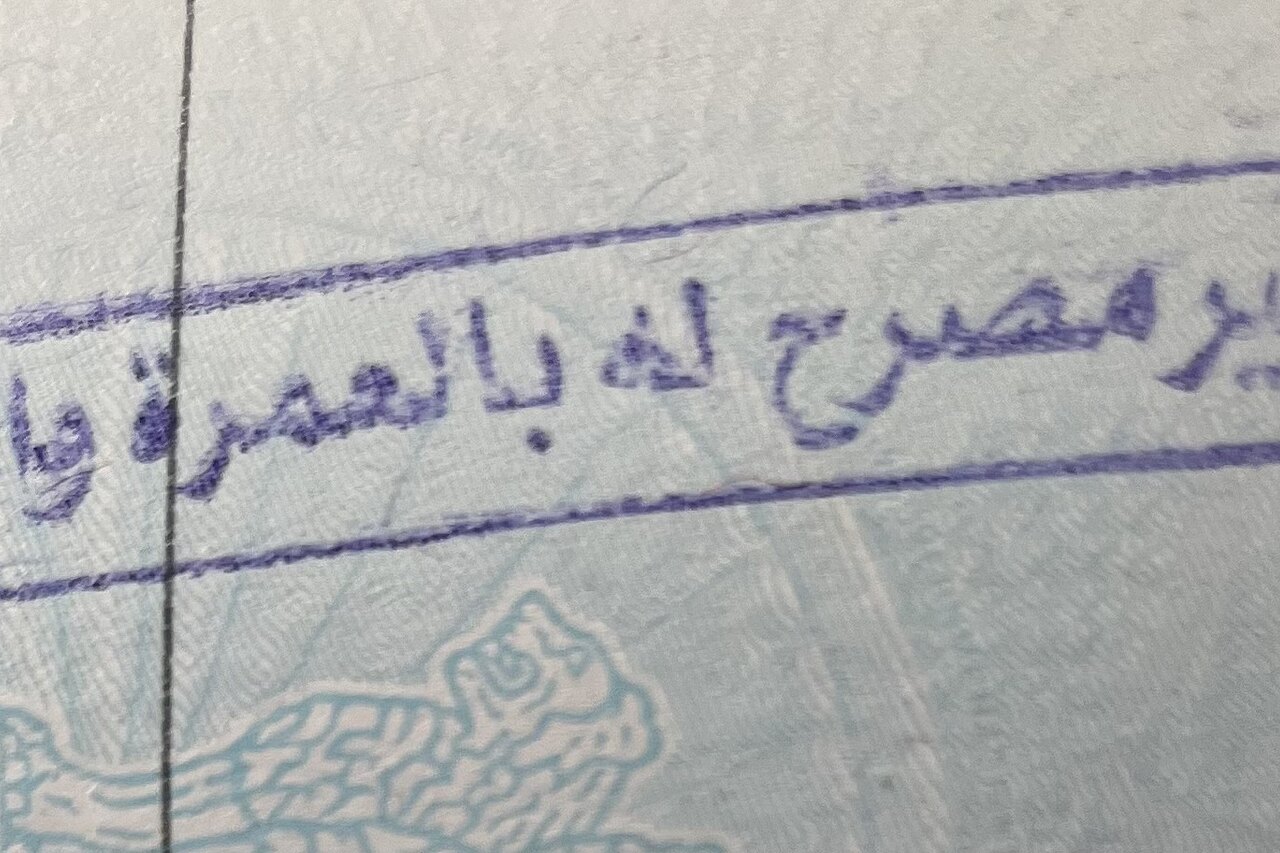
Photo: Hamza A. Durrani (Public domain)
Each Gulf state sets its own grace period between the cancellation of a residence visa and the point at which a worker must leave the country or move onto a new status.
The windows differ by country and by visa category, and they run from the cancellation date rather than the last working day.
- Grace periods run from cancellation, not from the last day worked
- The length varies by country and visa type
- Overstay fines accrue daily once the window closes
Offboarding is where this goes wrong most often. A leaver who is still in the country after the grace period ends accrues daily fines, and the dispute over who pays tends to become the employer's problem.
ความหมายสำหรับนายจ้าง
- Put the grace-period deadline in writing in every exit letter.
- Do not cancel a visa before the leaver's travel is booked.
- Keep a country-by-country offboarding checklist.
Related pages
สรุปโดยทีมงาน Horizon GCC รายงานต้นฉบับ: Angel in Dubai
ข้อมูลสรุปนี้เป็นข้อมูลทั่วไป ไม่ใช่คำแนะนำทางกฎหมาย โปรดยืนยันข้อกำหนดปัจจุบันกับหน่วยงานที่เกี่ยวข้องก่อนดำเนินการ
รับข่าวสารล่าสุดด้าน HR งาน และตลาดแรงงาน
การเปลี่ยนแปลงกฎหมายแรงงาน กฎวีซ่า แนวโน้มการจ้างงาน และข้อมูลเงินเดือนจาก UAE และภูมิภาคอ่าว พร้อมลิงก์อ่านบทสรุปฉบับเต็มบนเว็บไซต์ของเรา

พูดคุยกับผู้เชี่ยวชาญด้านการสรรหาบุคลากรของ Horizon GCC
พูดคุยกับทีมงานของเราและค้นหาว่าทำไมนายจ้างใน UAE และ GCC จึงไว้วางใจ Horizon GCC ในการจ้างบุคลากร HR, ช่างเทคนิค และมืออาชีพ