
Grace periods after cancellation differ across the Gulf
The time a worker has to leave or change status after a visa is cancelled varies between GCC countries, and getting it wrong creates overstay fines that usually land on the employer.
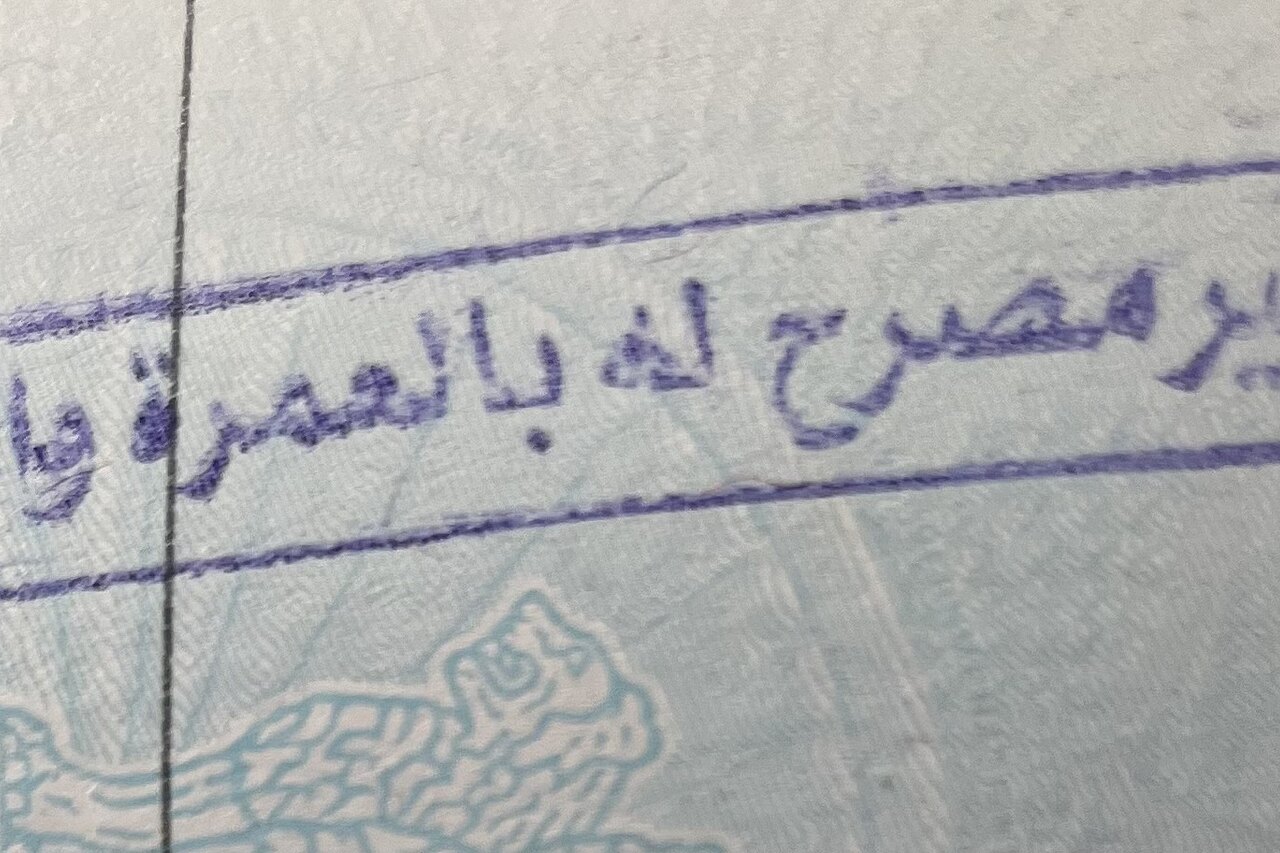
Photo: Hamza A. Durrani (Public domain)
Each Gulf state sets its own grace period between the cancellation of a residence visa and the point at which a worker must leave the country or move onto a new status.
The windows differ by country and by visa category, and they run from the cancellation date rather than the last working day.
- Grace periods run from cancellation, not from the last day worked
- The length varies by country and visa type
- Overstay fines accrue daily once the window closes
Offboarding is where this goes wrong most often. A leaver who is still in the country after the grace period ends accrues daily fines, and the dispute over who pays tends to become the employer's problem.
고용주에게 미치는 영향
- Put the grace-period deadline in writing in every exit letter.
- Do not cancel a visa before the leaver's travel is booked.
- Keep a country-by-country offboarding checklist.
Related pages
Horizon GCC 팀이 요약했습니다. 원본 보고서: Angel in Dubai
본 브리핑은 일반적인 정보이며 법적 조언이 아닙니다. 조치를 취하기 전에 관련 기관에 현재 요구 사항을 확인하십시오.
최신 HR, 채용 및 노동시장 뉴스를 받아보세요
UAE와 걸프 지역의 노동법 변경, 비자 규정, 채용 동향 및 급여 자료를 웹사이트의 전체 브리핑 링크와 함께 보내드립니다.

Horizon GCC 채용 전문가와 상담하기.
저희 팀원과 상담하여 UAE 및 GCC 고용주들이 Horizon GCC를 믿고 HR, 기술 및 전문 인재를 채용하는 이유를 알아보십시오.