
Grace periods after cancellation differ across the Gulf
The time a worker has to leave or change status after a visa is cancelled varies between GCC countries, and getting it wrong creates overstay fines that usually land on the employer.
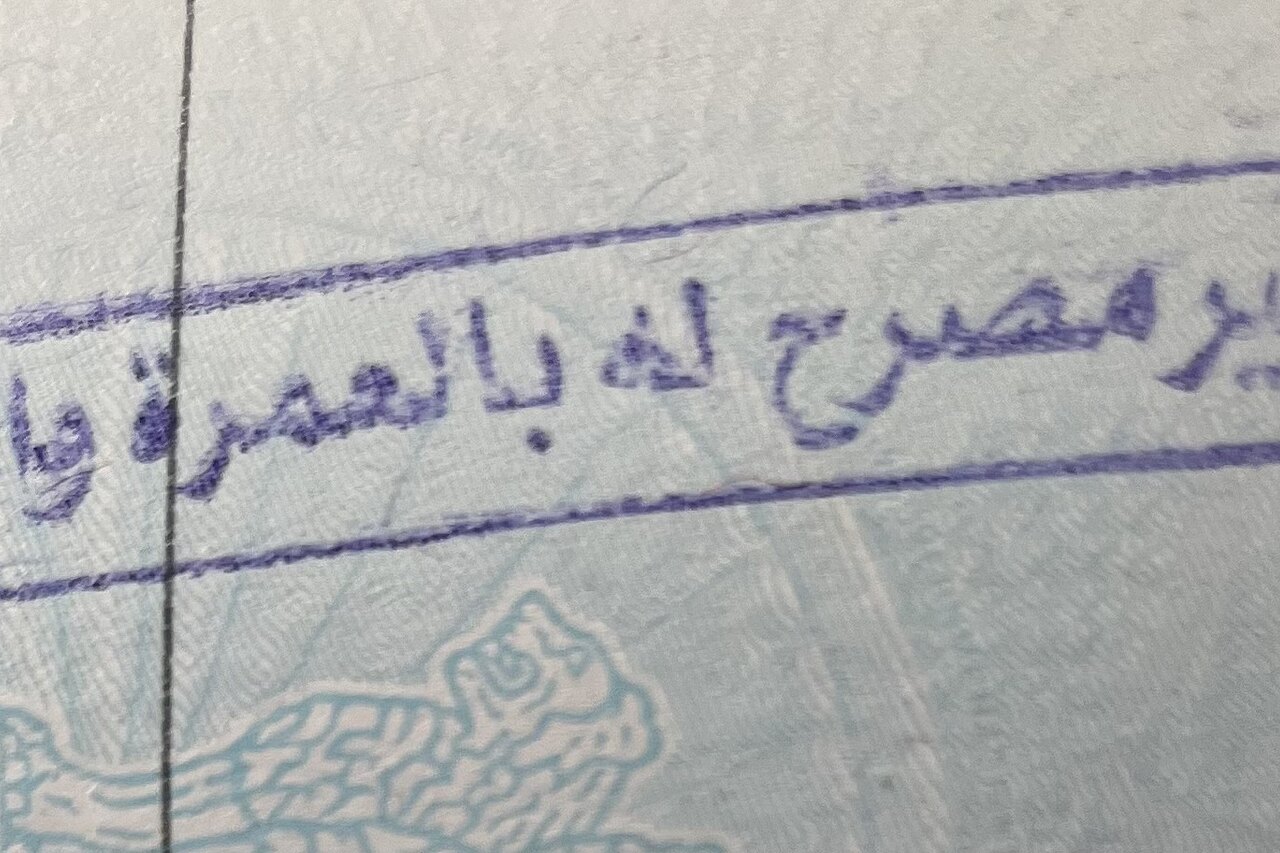
Photo: Hamza A. Durrani (Public domain)
Each Gulf state sets its own grace period between the cancellation of a residence visa and the point at which a worker must leave the country or move onto a new status.
The windows differ by country and by visa category, and they run from the cancellation date rather than the last working day.
- Grace periods run from cancellation, not from the last day worked
- The length varies by country and visa type
- Overstay fines accrue daily once the window closes
Offboarding is where this goes wrong most often. A leaver who is still in the country after the grace period ends accrues daily fines, and the dispute over who pays tends to become the employer's problem.
Что это значит для работодателей
- Put the grace-period deadline in writing in every exit letter.
- Do not cancel a visa before the leaver's travel is booked.
- Keep a country-by-country offboarding checklist.
Related pages
Резюмировано командой Horizon GCC. Оригинальный репортаж: Angel in Dubai
Эта сводка представляет собой общую информацию, а не юридическую консультацию. Перед принятием решений уточните текущие требования у соответствующего органа власти.
Получайте свежие новости HR, рынка труда и вакансий
Изменения трудового законодательства, визовые правила, тенденции найма и данные о зарплатах в ОАЭ и странах Залива — со ссылкой на полную публикацию на нашем сайте.

Поговорите со специалистом по подбору персонала Horizon GCC.
Поговорите с одним из наших сотрудников и узнайте, почему работодатели ОАЭ и стран Персидского залива доверяют Horizon GCC подбор HR, технических и профессиональных специалистов.