
Grace periods after cancellation differ across the Gulf
The time a worker has to leave or change status after a visa is cancelled varies between GCC countries, and getting it wrong creates overstay fines that usually land on the employer.
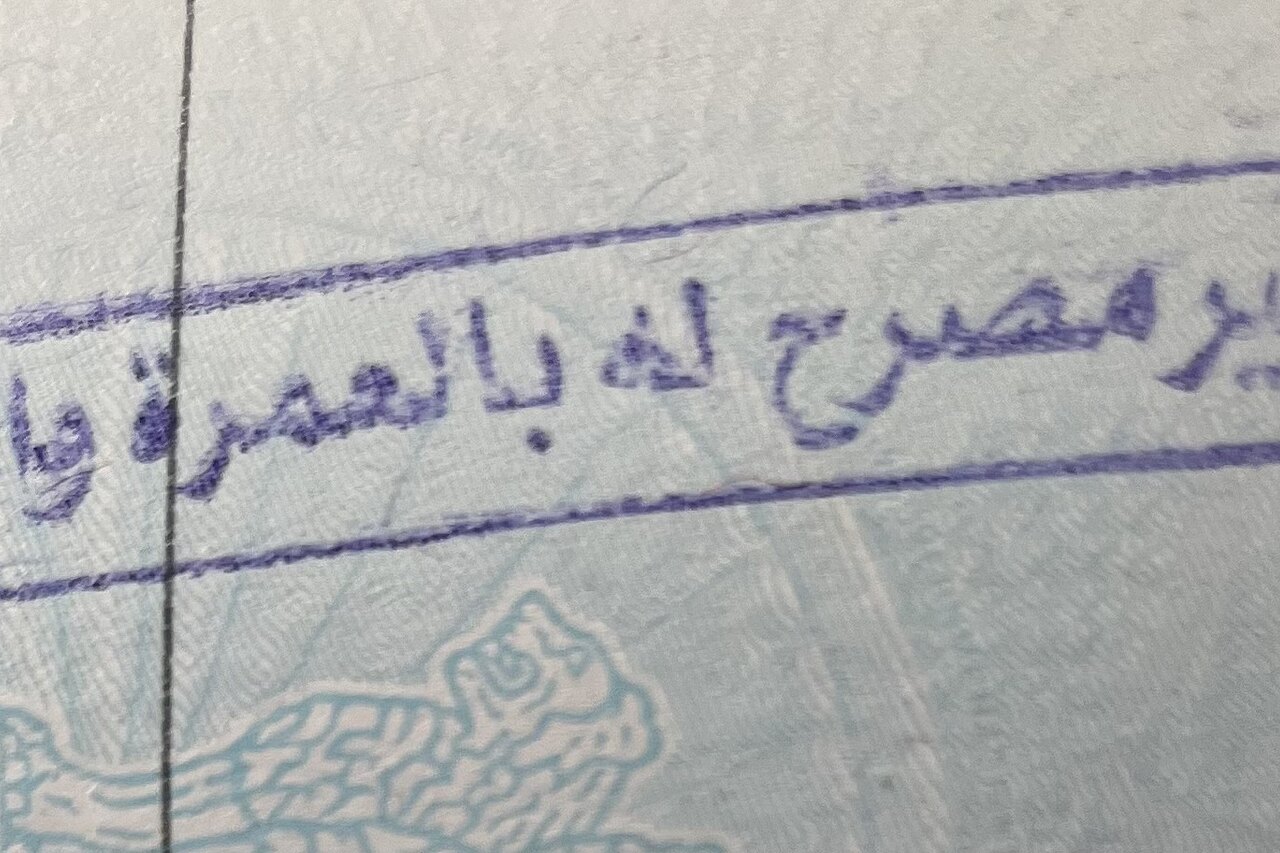
Photo: Hamza A. Durrani (Public domain)
Each Gulf state sets its own grace period between the cancellation of a residence visa and the point at which a worker must leave the country or move onto a new status.
The windows differ by country and by visa category, and they run from the cancellation date rather than the last working day.
- Grace periods run from cancellation, not from the last day worked
- The length varies by country and visa type
- Overstay fines accrue daily once the window closes
Offboarding is where this goes wrong most often. A leaver who is still in the country after the grace period ends accrues daily fines, and the dispute over who pays tends to become the employer's problem.
چه معنایی برای کارفرمایان دارد
- Put the grace-period deadline in writing in every exit letter.
- Do not cancel a visa before the leaver's travel is booked.
- Keep a country-by-country offboarding checklist.
Related pages
خلاصهشده توسط تیم Horizon GCC. گزارش اصلی: Angel in Dubai
این خلاصه، اطلاعات عمومی است و مشاوره حقوقی محسوب نمیشود. پیش از هر اقدامی، الزامات فعلی را با مرجع ذیصلاح تایید کنید.
تازهترین اخبار منابع انسانی، مشاغل و بازار کار را دریافت کنید
تغییرات قانون کار، قوانین ویزا، روندهای استخدام و دادههای حقوق در امارات و خلیج فارس — همراه با لینک مطالعه کامل مطلب در وبسایت ما.

با یک متخصص استخدام Horizon GCC صحبت کنید.
با یکی از اعضای تیم صحبت کنید و دریابید که چرا کارفرمایان امارات متحده عربی و شورای همکاری خلیج فارس به Horizon GCC برای استخدام استعدادهای منابع انسانی، فنی و حرفهای اعتماد میکنند.