
Grace periods after cancellation differ across the Gulf
The time a worker has to leave or change status after a visa is cancelled varies between GCC countries, and getting it wrong creates overstay fines that usually land on the employer.
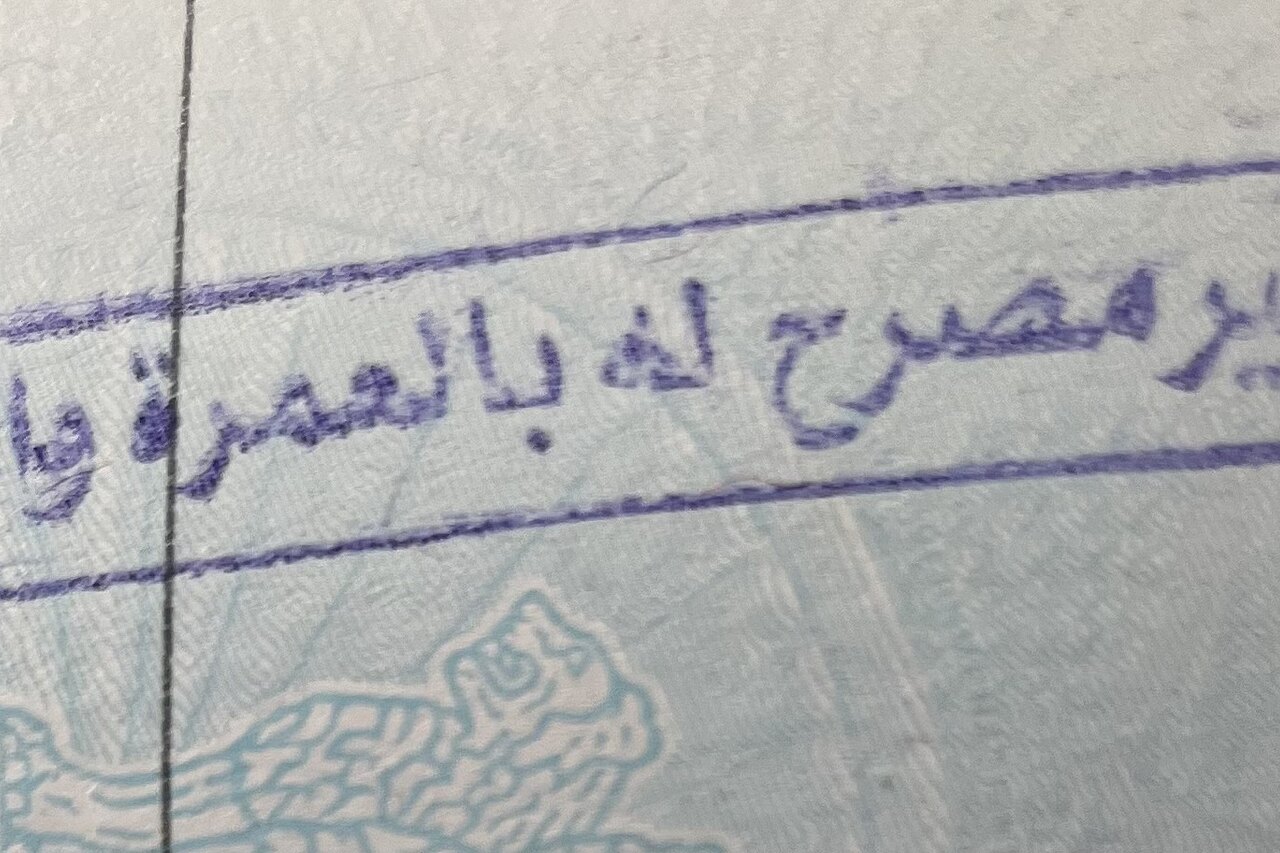
Photo: Hamza A. Durrani (Public domain)
Each Gulf state sets its own grace period between the cancellation of a residence visa and the point at which a worker must leave the country or move onto a new status.
The windows differ by country and by visa category, and they run from the cancellation date rather than the last working day.
- Grace periods run from cancellation, not from the last day worked
- The length varies by country and visa type
- Overstay fines accrue daily once the window closes
Offboarding is where this goes wrong most often. A leaver who is still in the country after the grace period ends accrues daily fines, and the dispute over who pays tends to become the employer's problem.
这对雇主意味着什么
- Put the grace-period deadline in writing in every exit letter.
- Do not cancel a visa before the leaver's travel is booked.
- Keep a country-by-country offboarding checklist.
Related pages
由 Horizon GCC 团队总结。原始报道: Angel in Dubai
本简报为一般信息,并非法律建议。在采取行动前,请与相关机构确认当前要求。
获取最新的人力资源、职位和劳动力市场资讯
来自阿联酋及海湾地区的劳动法变化、签证规定、招聘趋势和薪资数据,并附有网站完整简报链接。