
Grace periods after cancellation differ across the Gulf
The time a worker has to leave or change status after a visa is cancelled varies between GCC countries, and getting it wrong creates overstay fines that usually land on the employer.
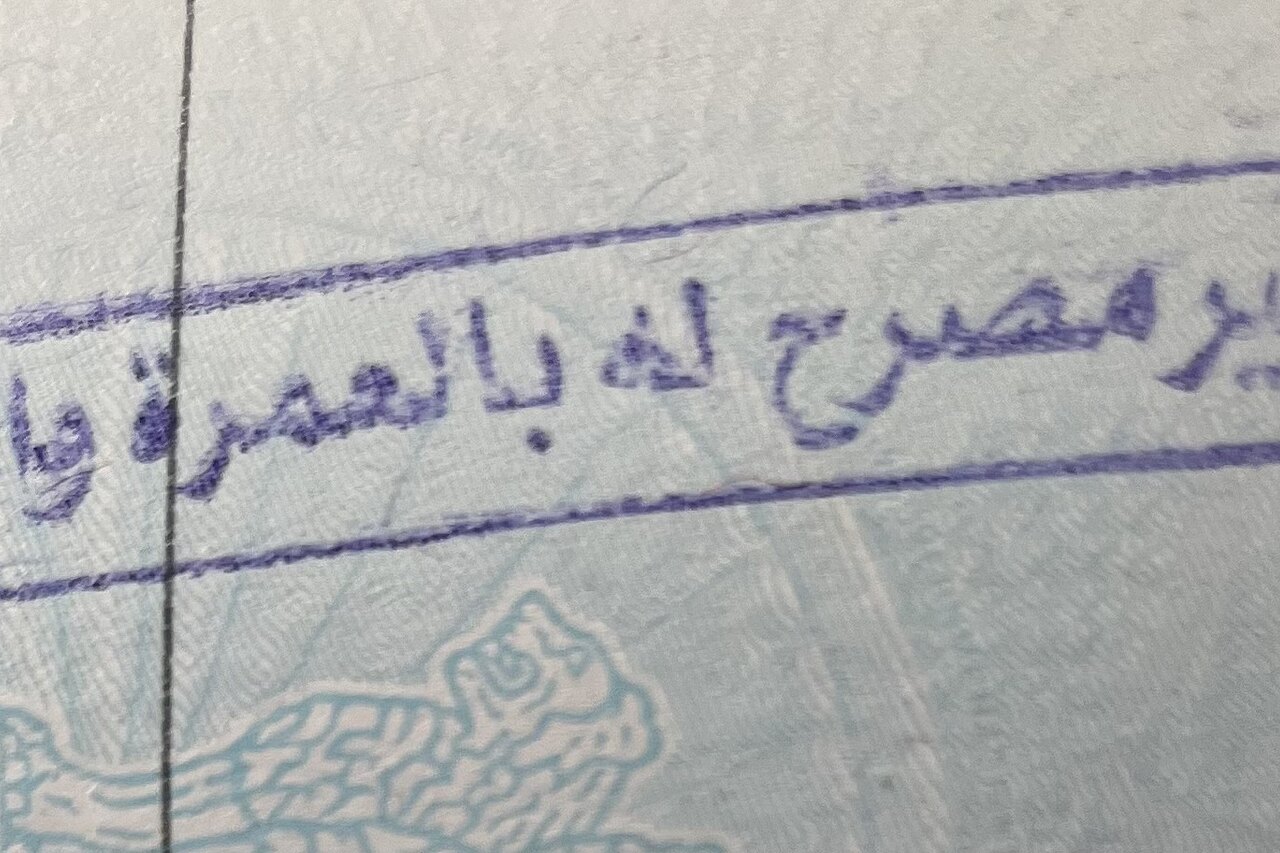
Photo: Hamza A. Durrani (Public domain)
Each Gulf state sets its own grace period between the cancellation of a residence visa and the point at which a worker must leave the country or move onto a new status.
The windows differ by country and by visa category, and they run from the cancellation date rather than the last working day.
- Grace periods run from cancellation, not from the last day worked
- The length varies by country and visa type
- Overstay fines accrue daily once the window closes
Offboarding is where this goes wrong most often. A leaver who is still in the country after the grace period ends accrues daily fines, and the dispute over who pays tends to become the employer's problem.
What it means for employers
- Put the grace-period deadline in writing in every exit letter.
- Do not cancel a visa before the leaver's travel is booked.
- Keep a country-by-country offboarding checklist.
Related pages
Summarised by the Horizon GCC team. Original reporting: Angel in Dubai
This briefing is general information, not legal advice. Confirm current requirements with the relevant authority before acting.
Get the latest HR, jobs and labour-market news
Labour law changes, visa rules, hiring trends and salary data from the UAE and the wider Gulf — sent with a link to read the full briefing on our site.

Talk to a Horizon GCC recruitment specialist.
Speak to one of the team and find out why UAE and GCC employers trust Horizon GCC to hire HR, technical and professional talent.